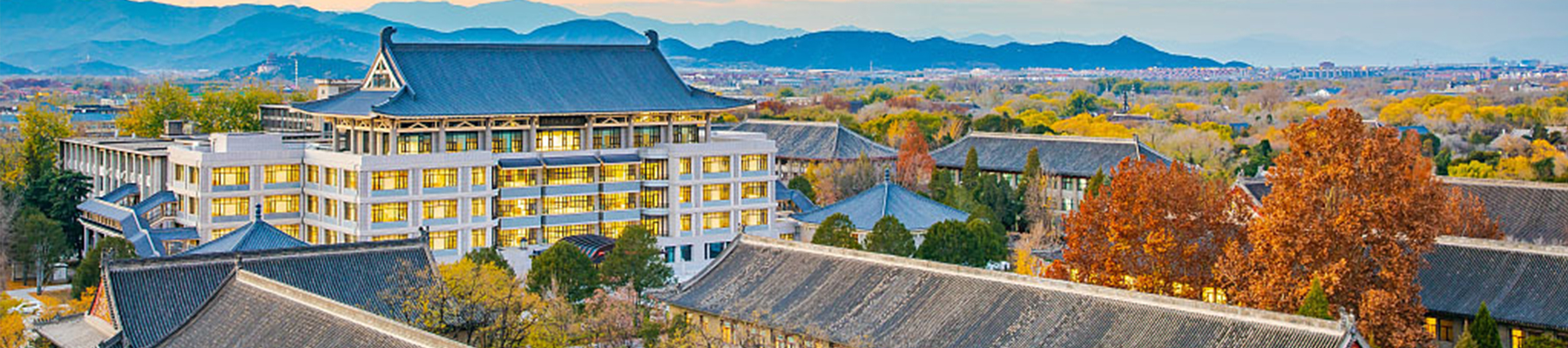
In the afternoon of April 30, coinciding with the 2026 PKU International Culture Festival – Thai Food Week, the Peking University International Faculty Center hosted a Thai culinary cultural experience at the Shaoyuan Western Restaurant. About 20 international faculty members from various schools and departments gathered to unlock the secrets of Thai flavors through cultural exploration and hands-on practice.

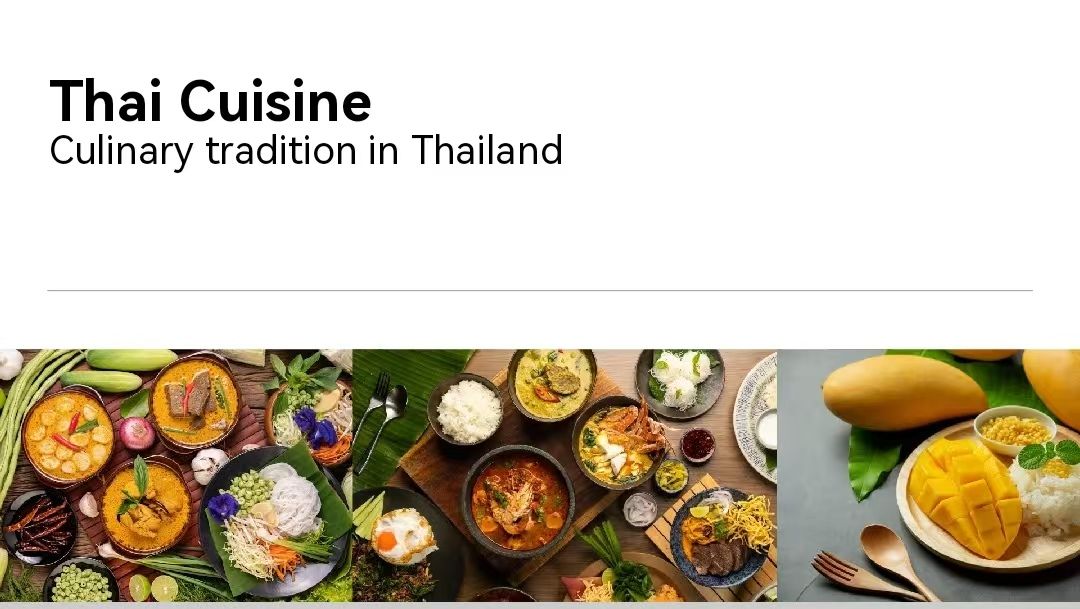
The event began with Warut Thawinrak, a Thai postdoctoral fellow at the Beijing International Center for Mathematical Research, guiding participants through the nuances of Thai dining culture. "In Thailand, our first greeting is 'Have you eaten?'," he shared. "Rice is a staple ingrained in our identity—from world-famous jasmine rice to the sticky rice favored in the north and northeast. Annual harvest festivals celebrate the efforts of farmers, while royal plowing ceremonies pray for prosperous seasons. Thailand’s four major regional cuisines also reflect distinct local characteristics: the north is mild and herbal, the northeast is boldly sour and spicy, the central region balances sweet and savory, and the south revels in seafood and intense heat." His vivid introduction offered profound insight into the cultural heritage behind Thai cuisine.

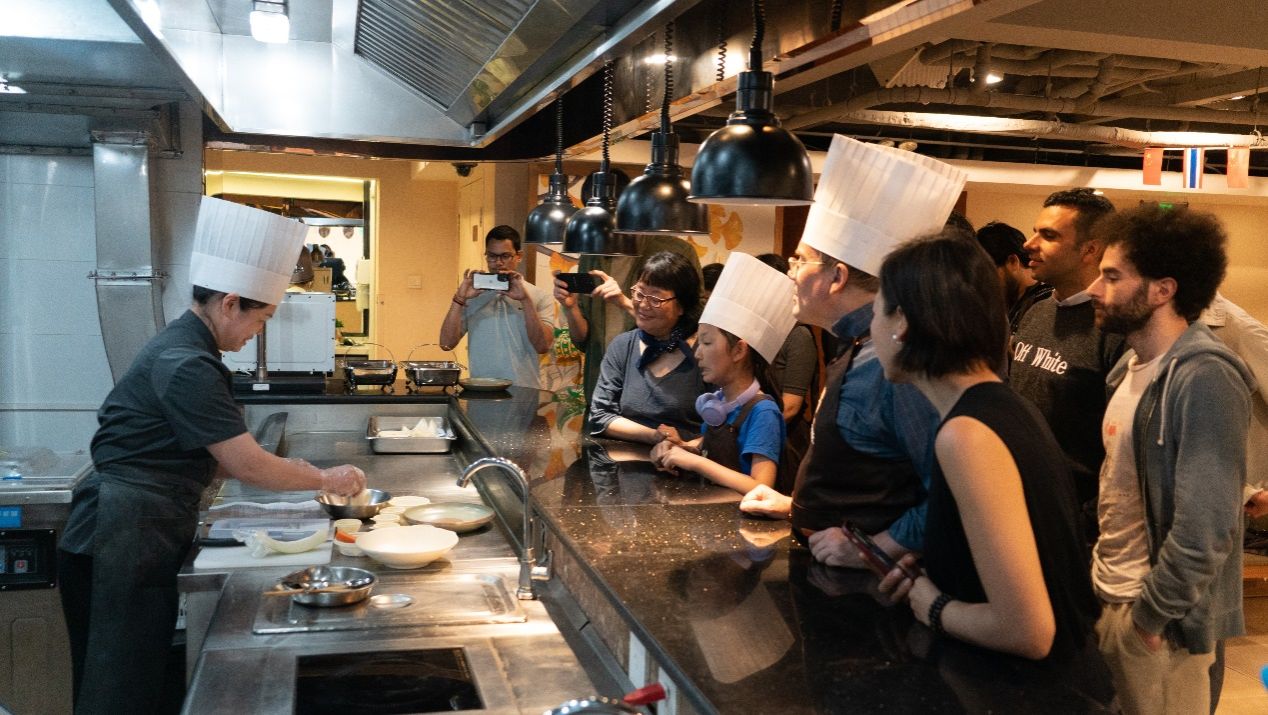
The highlight of the event was the live cooking demonstration by the restaurant’s chefs, featuring three classic dishes: green papaya salad, green chicken curry, and mango sticky rice. This session transformed attendees from diners into creators, immersing them in the joy of Thai cooking. The chefs demonstrated key techniques: selecting firm green papaya and shredding it finely for crispness, balancing chilies, lime, fish sauce, and palm sugar for the iconic sweet-sour-spicy profile; crafting green curry paste from over ten herbs like lemongrass, galangal, and kaffir lime leaves, simmering with coconut milk in two stages to layer flavors; and perfecting mango sticky rice by steaming soaked glutinous rice and enhancing coconut cream with a pinch of salt for an authentic sweet-savory contrast. Faculty members gathered closely, recording each step on their phones and actively engaging with thoughtful questions.


Following the demonstration, participants divided into groups to prepare the dishes themselves. Knives chopped, woks sizzled, and laughter filled the air as they sliced, seasoned, stir-fried, and plated their creations. The collaborative atmosphere fostered creative enjoyment. Once completed, participants gathered to share the meal, exchanging tips and tasting notes.
This Thai food experience served as more than just a culinary event—it deepened international faculty’s appreciation for Thai culture, enriched campus life, and built a vibrant bridge for cross-cultural exchange through immersive engagement.